
Restaurant and Cafe Marketing in Bali: A Practical Guide
In a market as crowded as Bali, being good is not enough if nobody finds you when they are deciding where to eat. A practical guide to Google Maps, reviews, Instagram and a simple website for a restaurant or cafe.

zabil
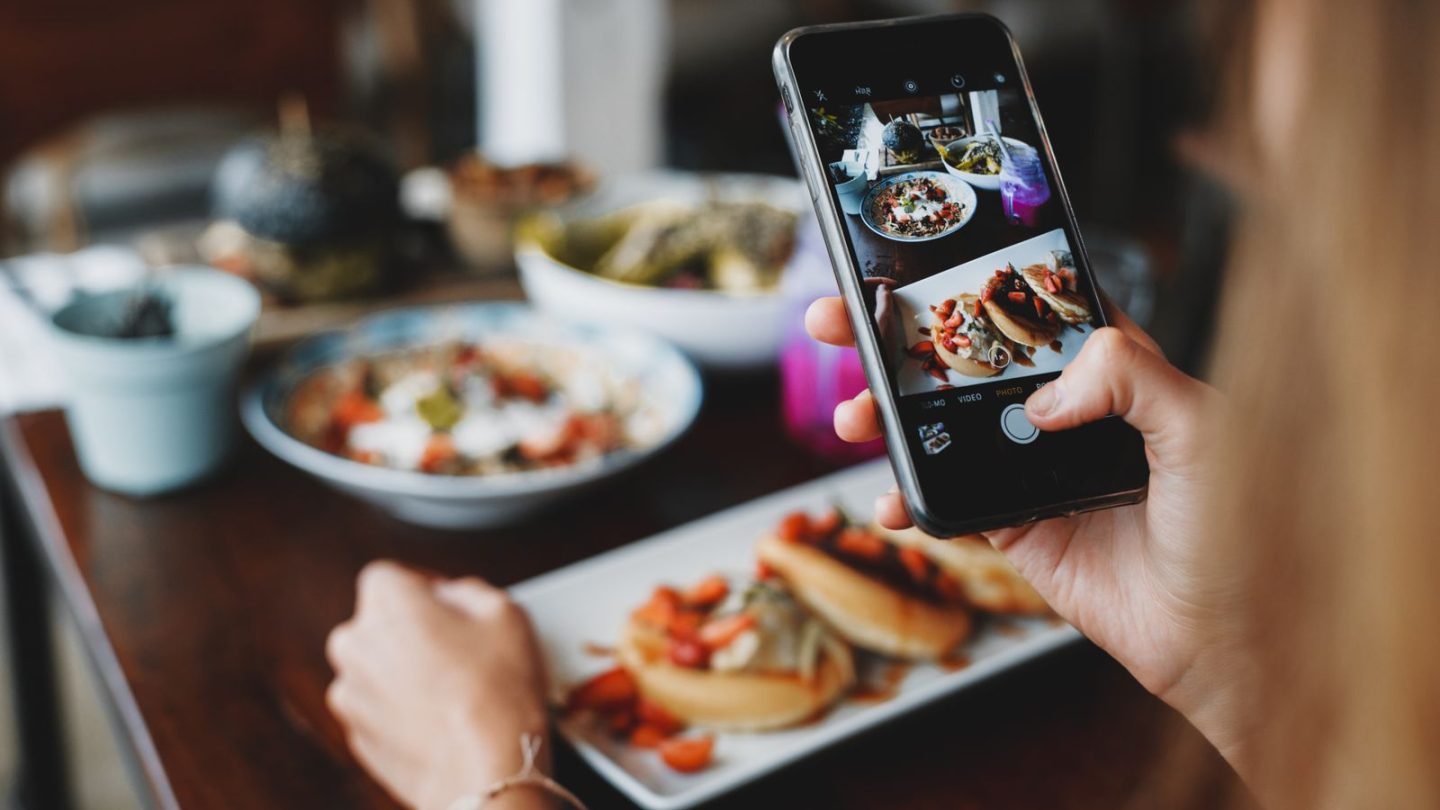
Bali has more restaurants and cafes than most visitors could try in a year, and many of the people eating in them chose the place on a phone: scrolling Instagram, searching Google Maps or reading reviews before they left the villa. For an owner, the marketing problem is simple to state and hard to solve. In a market this crowded, being good is not enough if nobody finds you at the moment they are deciding where to eat.
This guide to restaurant marketing in Bali (cafe marketing works the same way) covers the few things that matter most, in the order we would tackle them.
Where customers actually decide
For most food businesses, the decision happens in three places:
- Google Maps and Search. Searches like “best breakfast near me” or “vegan restaurant Canggu” come from people who are hungry now and choosing between the first few results.
- Instagram. This is where many people discover a place and decide whether it looks worth the trip.
- Reviews. Google reviews are usually the last check before someone commits to a table.
Almost every other channel is secondary until these three are in good shape.
Step 1: Get your Google Business Profile right
Google says local results are mainly based on relevance, distance and prominence: how well your profile matches the search, how close you are to the person searching, and how well known you are, which includes how many reviews you have. You cannot change distance, but you can work on the other two.
- Choose the right primary category. “Cafe” and “Restaurant” are not the same, and a wrong category means showing up for the wrong searches.
- Keep opening hours accurate, including special hours for Nyepi, the Day of Silence, and other holidays and ceremonies that close or change trading. A wrong “open now” label loses a customer twice: once now and once in their review.
- Add real photos. Food, interior, the entrance so people can find you from the street, and the menu. Photos that match reality build trust.
- Add the links people use. Your menu, a reservation link if you take bookings, and your website if you have one.
- Keep the pin and address exact. In areas like Canggu and Uluwatu, a pin in the wrong lane sends guests to the wrong place.
Our full walkthrough is in the Google Business Profile guide for local businesses.
Step 2: Make reviews a habit
Reviews are one of the few things that improve both your ranking and the odds that a guest chooses you once they see you.
- Ask at the right moment. Right after a good meal, when the guest is happy, with a QR code on the table or the receipt. Tourists leave, so asking later often means never.
- Never offer discounts or freebies in exchange for a review. Google’s policy does not allow it: it prohibits offering incentives such as payment, discounts or free goods and services in exchange for reviews, and violating it can get reviews removed.
- Reply to every review, good and bad, briefly and like a person. You can only reply once your business is verified. A calm, specific answer to a critical review often says more about your place than the review itself.
- Reply in the guest’s language. Many guests write in English and many in Indonesian, and a reply in the same language shows someone is actually reading.
Step 3: Use Instagram for discovery, not as your only page
Instagram is a good shop window for a restaurant or cafe, because food and atmosphere are visual. A few habits make it work harder:
- Show the place as it really is. Natural light, real portions and the actual room. Guests who arrive to what they saw tend to leave better reviews, which is the same trust lesson we cover in our guide to marketing for villa and property businesses in Bali.
- Use the location tag and a correct profile name so people can find and verify the place.
- Put the useful links in your bio: menu, reservations or WhatsApp, and Google Maps.
- Post at a pace you can keep. A steady rhythm for a year beats daily posting for a month followed by silence.
- Make sharing easy. A dish or corner people want to photograph brings in customers who never saw an ad.
The limit is that you do not control Instagram. If it is your only online presence, read do you need a website if you already have Instagram?
Step 4: Have a simple website for menu, hours and bookings
A restaurant website does not need to be elaborate, but it does need to answer the questions guests type into Google.
- A real text menu. A menu that is only a photo or a PDF is hard to read on a phone and cannot be searched.
- Address, map, hours and a WhatsApp or booking button visible immediately.
- Fast loading on mobile data. Most visitors are on a phone, and many of your guests are travellers on a patchy connection.
- Accurate details that match your Business Profile. Mismatches between the two confuse both guests and Google.
Step 5: Pay for visibility only after the basics work
Paid ads can help for a new opening, an event or a quiet season, but they amplify whatever people find when they click. If the profile has outdated hours, dark photos and no reviews, ads mostly pay for people to be unimpressed. Get Steps 1 to 4 in order first, then consider paid ads with a specific, measurable goal.
Things specific to Bali
- Two audiences. Visitors, who search in English and rely on Maps and Instagram, and residents and repeat customers, who mix Indonesian and English and often prefer WhatsApp. Menus and profile descriptions in both languages help both groups.
- Seasonality. High season and the quieter months behave very differently. Plan offers and content ahead, rather than reacting once tables are empty.
- Area names. People search by area, such as Canggu, Ubud, Seminyak or Uluwatu. Use the area naturally where it is true and keep the map pin accurate.
- Holiday closures. Nyepi and other ceremonies affect trading in ways visitors do not expect. Updating hours in advance prevents disappointed guests and bad reviews.
A simple 30-day starting plan
- Week 1: Audit and fix your Google Business Profile: category, hours, photos, menu and booking links.
- Week 2: Set up a review routine, with a QR code or prompt at payment, and reply to every existing review.
- Week 3: Tidy your Instagram bio and highlights, choose a posting rhythm you can sustain, and put a mobile-friendly menu page online.
- Week 4: Check the numbers: calls, direction requests and website clicks in your Business Profile, plus where bookings actually come from. Decide what to improve next.
SodraTech is based in Bali and Makassar, and this kind of groundwork (Google Business Profile, social media and a simple, fast website) is what our social media and SEO services cover for food and beverage businesses. If you run a restaurant or cafe and would like a plain-language review of where you may be losing customers online, get in touch.
Baca lebih lanjut
Artikel terkait.
Industry Insights
How to Get More Direct Bookings for Your Bali Villa or Hotel
Rely less on booking platforms. A practical guide to direct bookings for Bali villas and hotels: your website, Google, direct-only perks and repeat guests.
Industry Insights
Digital Marketing for Villa and Property Businesses in Bali: Where to Start
Villa owners and property managers in Bali compete in one of the most saturated online markets in Southeast Asia. A practical starting point for…

Industry Insights
Digital transformation for growing businesses, and where to actually start
Digital transformation sounds like a full overhaul. For most growing businesses, the ones that see real return start much smaller than that.