
What Is a Library of Things? How Borrowing Everyday Items Works
What a library of things is, what it lends, how borrowing works and the rules that keep a shared collection going, using pages from libraries in the US, UK, Norway and Indonesia, plus where SodraTech's in-development Barangin project fits.

zabil
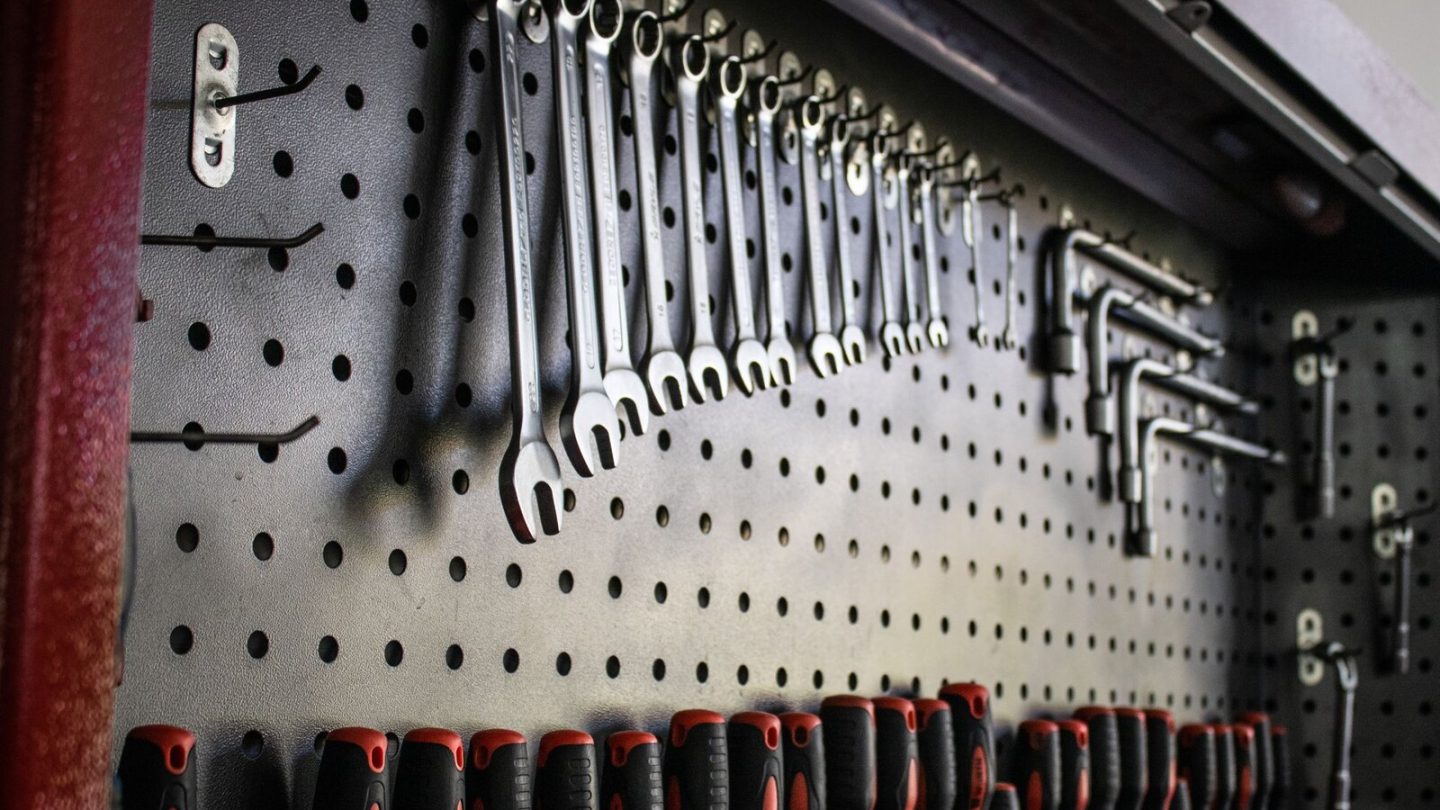
You need a drill once a year, a tent twice, and a pressure cooker for one family gathering. Buying all three means paying full price, finding somewhere to store them and hoping they still work when you finally need them. A library of things offers another route: you borrow the item, use it and return it, much as you would a library book.
The University of Oslo Library describes its collection as “Things you need occasionally, but not often enough to buy it yourself.” SodraTech is developing a borrowing and lending platform called Barangin, which is still in development, so we read how existing programmes work. This article sets out what we found, including one example in Indonesia.
What a library of things lends
A library of things lends physical objects instead of books. The pages we read list:
- Westland Public Library (Michigan, USA): five groups: entertainment (board games, puzzles, sports equipment), gadgets, hobbies, household (cooking, cleaning and event supplies) and tools (hand tools, automotive tools, measurement and precision tools).
- University of Oslo Library: a drill, a grinding machine and a circular saw, plus a hammock, a backpack and a sleeping mat, and table tennis and croquet equipment.
- Guildford Library of Things (UK): garden tools such as rakes and spades, hand tools, a pop-up tent and board games.
- Goethe-Institut Jakarta: a pressure cooker, a badminton net, trekking poles and an electric drill.
The common thread is cost against use: things that are expensive, bulky or needed only now and then. Westland’s page puts the benefit as avoiding the need to buy “expensive equipment that you might only use occasionally”. Waltham Forest Council’s page on the Library of Things at Leytonstone Library in London lists three benefits: it is more affordable, it cuts down on clutter, and it “beats next-day delivery”.
How borrowing usually works
Westland describes five steps: browse the online catalogue, reserve an item, pick it up, use it, and return it when the loan period ends. Waltham Forest describes three: join and reserve, borrow and return, then track the impact.
The rules differ from one programme to the next:
- Westland: residents aged 18 and over can borrow “a maximum of two items at any given time”, on a two-week loan that cannot be renewed.
- University of Oslo: only students and staff can use it, the loan period is 7 days with no extension, and the catalogue shows whether an item is on loan but “you cannot order or reserve”.
So there is no single standard. Who may borrow, for how long and how many items at once are each programme’s own choice.
The rules that keep a shared collection working
Across the pages we read, four questions come up again and again:
- Who may borrow? Goethe-Institut Jakarta’s press release says joining requires a KTP or a domicile statement letter from the Jabodetabek area. Guildford asks for photo ID and proof of address.
- What stops items going missing? Guildford’s service is free, but “the card details act as a deposit for the item(s)”.
- What condition must it come back in? Guildford asks borrowers to “Return the Things in the condition they were lent, cleaning them for the next borrower” and to “Inform the library if a Thing is damaged, faulty or not working”. Oslo asks everyone to take care of the equipment and return it in good condition.
- Who carries the risk? Oslo says the library cannot give guidance on using the equipment and does not assist with repairs, and that “all use is at your own risk”. Guildford asks borrowers to learn how to use each item safely.
The last two are the hard ones, because they decide who pays when something breaks. We cover what Indonesian law says about that in Who pays when a borrowed item breaks.
An Indonesian example: Goethe-Institut Jakarta
The library at Goethe-Institut Jakarta describes its Library of Things in a press release (the copy we read carries no date). It says the collection launched in 2023 with kitchen utensils and appliances, and has since grown from one category to four (kitchen, DIY, outdoor activities and hobby items) and from 19 items to 38.
The release describes the items as “often only needed occasionally”, and says some, such as padel rackets, a guitalele, an instant camera and an air fryer, can be borrowed by people who want to “try them before buying them”. It also says libraries in Germany, including municipal libraries in Berlin, Bremen and Frankfurt, have adopted the idea.
These are the library’s own statements and we have not visited. We also found no other Indonesian programme in our search, which does not mean none exists.
How an online platform differs
A library has one owner, one counter and staff. A platform where people lend to each other changes three things. This is our reading, not a finding from the sources above:
- The stock comes from many owners. What is available changes daily, so availability has to stay accurate. Our booking system guide covers how double bookings happen.
- Two people judge the condition, not a librarian. A record of how the item looked at handover matters more.
- Trust has to be built between strangers. A library borrows trust from its institution. A platform has to create it through identity, reviews, deposits or dispute handling. Our post on platform trust looks at escrow and reputation on a different kind of platform.
Where Barangin fits
Barangin is a digital product being developed by SodraTech. Its project page says the aim is for people to “discover available items, connect with lenders and arrange borrowing” through a more structured digital experience, and that future workflows “may include item listings, borrowing requests, rental periods, transaction tracking, and processes for handling item returns or damage”.
Barangin is not a library of things, and we are not claiming it will work like one. We used libraries as a reference because they have been answering these questions for years. Barangin is currently under development, and its features, policies and launch plans may change. There is no launch date, and nothing in this article is a promise of a feature.
Questions to ask before you borrow from any shared collection
- Who can borrow, and what ID do I need?
- How long can I keep the item, and can I renew it?
- Is there a deposit, and when is it released?
- What condition must it come back in, and who pays if it breaks or goes missing?
- Is there guidance on using it safely, or is use “at your own risk”?
Take a dated photo of the item when you collect it. It is the simplest way to avoid an argument later.
If you are planning a platform where people share, book or pay for things, tell us about your business and our systems and technology team can talk through what it would need.
Sources, all read on 19 October 2026: Westland Public Library, Library of Things; University of Oslo Library, Library of Things; London Borough of Waltham Forest, Library of Things (last updated 27 May 2026); All Saints Church Guildford, The Guildford Library of Things; Goethe-Institut Jakarta, Library of Things press release; and SodraTech’s Barangin project page.
Layanan terkait
Karya terkait
Di mana ini telah diterapkan.
Jasa Profesional
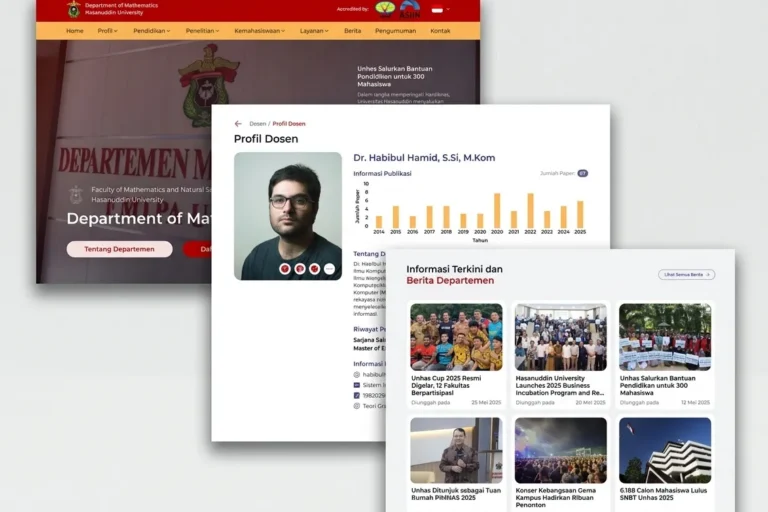
Departemen MIPA UNHAS
Universitas Hasanuddin
Website resmi departemen yang menyajikan informasi akademik, berita, dan kegiatan, dibangun agar staf dapat mengelolanya sendiri tanpa bantuan teknis.
Jasa Profesional
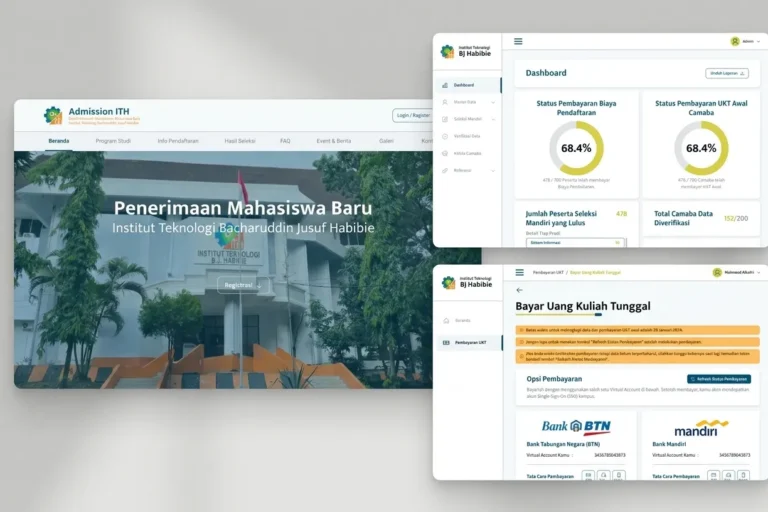
Admission ITH
Institut Teknologi BJ Habibie
Platform pendaftaran mahasiswa baru yang menangani seluruh proses pendaftaran secara online, mulai dari pengisian formulir, unggah dokumen, hingga pembayaran awal.
Local & Growing Businesses
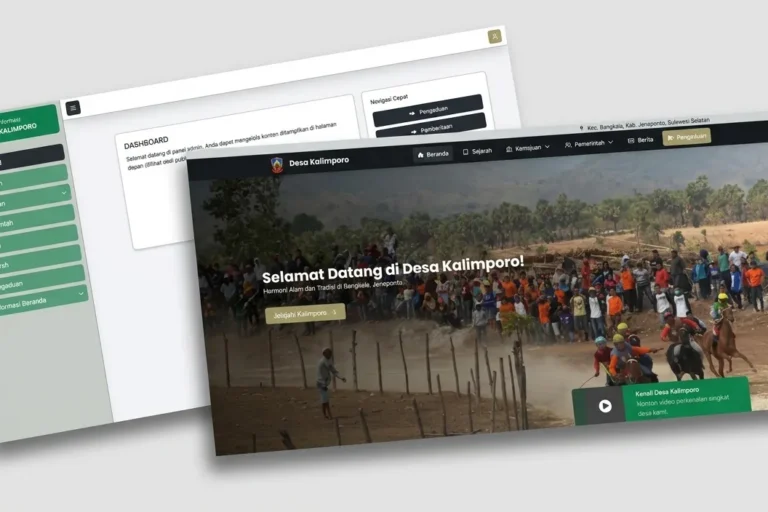
Desa Kalimporo
Desa Kalimporo
Platform profil desa yang menyajikan struktur pemerintahan, data kependudukan, potensi lokal, dan program desa kepada khalayak yang lebih luas.
Baca lebih lanjut
Artikel terkait.
Pertumbuhan Digital
Borrowed Item Damaged or Lost? Who Pays Under Indonesian Law
A plain-English summary of the Indonesian Civil Code chapter on pinjam pakai (Articles 1740 to 1753): what a borrower and a lender owe, how…
Pertumbuhan Digital
Borrow or Buy? A Simple Test for Things You Rarely Use
A four-step test for deciding whether to borrow, rent or buy something you rarely use: count the uses, work out the cost per use,…

Pertumbuhan Digital
How to Build Trust on a Freelance or Task Platform: Escrow, Reputation and Disputes
Escrow, reputation and dispute resolution for freelance and task platforms, using Tokopedia's published terms and Komodoplex Labs' Reputask research as examples, plus questions to…