
Borrowed Item Damaged or Lost? Who Pays Under Indonesian Law
A plain-English summary of the Indonesian Civil Code chapter on pinjam pakai (Articles 1740 to 1753): what a borrower and a lender owe, how rentals differ, a real Hukumonline question about a borrowed motorbike, and a handover checklist. General information, not legal advice.

zabil
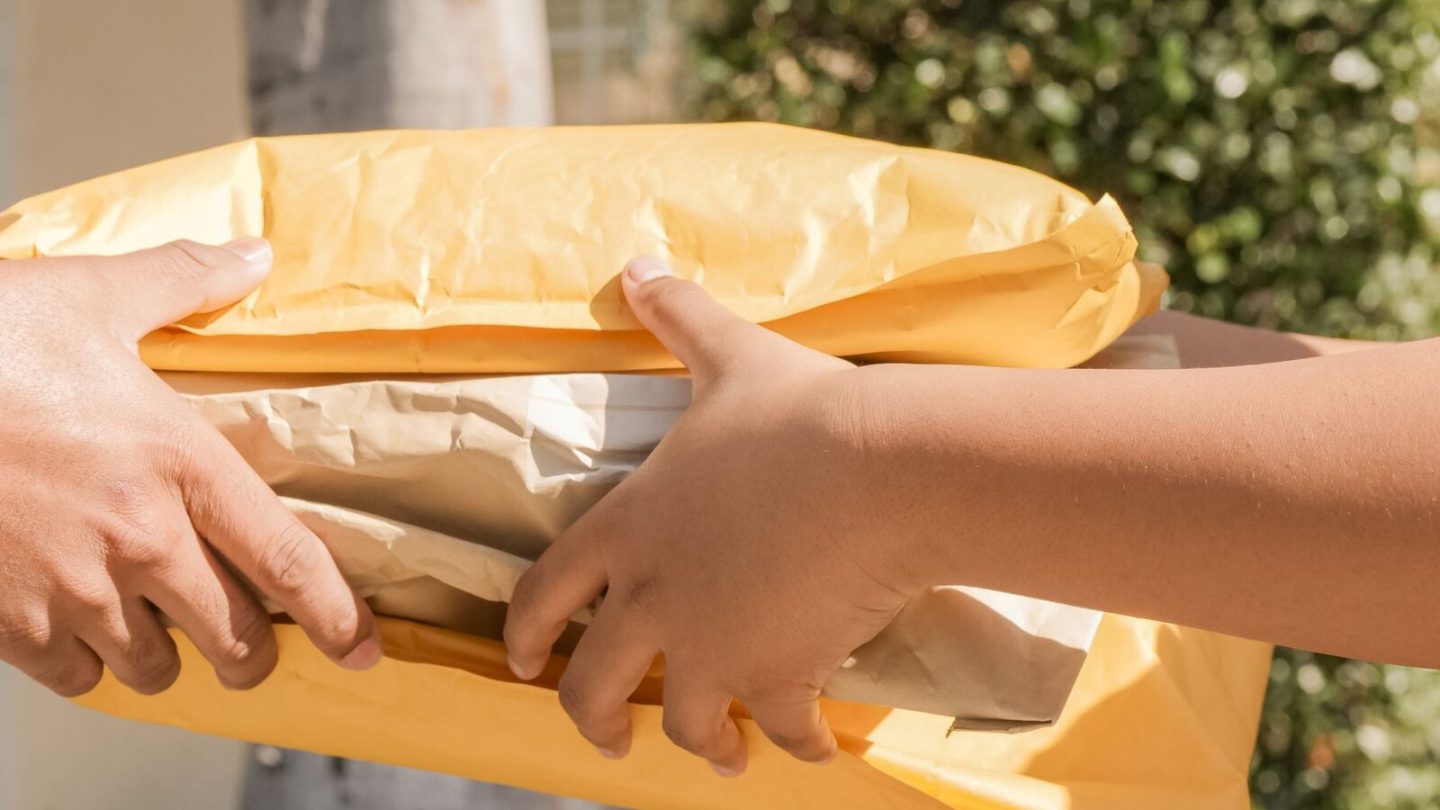
You lend a neighbour your motorbike, a friend your camera or a colleague your drill. It comes back scratched, broken or not at all. Who pays?
Indonesia’s Civil Code, the Kitab Undang-Undang Hukum Perdata (KUHPerdata), has a chapter on exactly this: Bab XII, Pinjam Pakai, Articles 1740 to 1753. It covers lending an item for free and getting it back. This article summarises that chapter in plain English, compares it with the rental chapter (sewa menyewa), and ends with a handover checklist. It is general information, not legal advice.
SodraTech is developing a borrowing and lending platform called Barangin, still in development, and returns and damage are questions any such platform has to answer. This article covers what the Code says between two private people. It does not describe Barangin’s rules.
What pinjam pakai is (Articles 1740 to 1743)
Article 1740 defines it: one party hands over an item to another to use “dengan cuma-cuma” (free of charge), on condition that the borrower returns it after using it or after the agreed period. Article 1741 says the lender stays the full owner. Article 1742 says the item must be something that can be used without being destroyed by use, so a drill qualifies and a bag of rice does not. Consumables fall under a separate chapter that starts at Article 1754.
The word “free” matters, because it decides which rules apply. We come back to that below.
What the borrower owes (Articles 1744 to 1749)
- Care and purpose (1744). Look after the item “sebagai seorang kepala keluarga yang baik” (as a good head of the family) and use it only as its nature or the agreement allows. A borrower who strays can be ordered to pay costs, losses and interest where there is reason to. If the item is used for another purpose, or for longer than it should be, the borrower is responsible if it is lost or destroyed, even by accident.
- Avoidable accidents (1745). If the item is destroyed by an accident the borrower could have avoided by using their own belongings, or if the borrower saved their own belongings first, the borrower is responsible.
- Valued items (1746). If the item was valued when it was lent, its loss is the borrower’s responsibility even through an accident, unless the parties agreed otherwise.
- Fair wear (1747). If the item loses value only because of use that matches the purpose of the loan, and not through the borrower’s fault, the borrower is not responsible for the loss in value.
- Costs of using it (1748). A borrower who spent money to be able to use the item cannot claim it back.
- Several borrowers (1749). If several people borrow one item together, each is responsible to the lender for the whole.
Put together: ordinary wear falls on the lender, but damage from misuse, overstaying or avoidable accidents lands on the borrower. Article 1746 is worth knowing about. Putting a value on the item at handover moves accident risk to the borrower unless you agree otherwise.
What the lender owes (Articles 1750 to 1753)
- 1750: the lender cannot ask for the item back before the agreed time, or, where no time was agreed, before it has been used for its intended purpose.
- 1751: if the lender urgently and unexpectedly needs it back sooner, a court may order its return.
- 1752: if the borrower had to spend money urgently to save the item and had no time to tell the lender first, the lender must reimburse it.
- 1753: deals with the lender’s responsibility where the item has defects that could cause the user a loss. In practice, tell the borrower about any known fault, especially a safety one.
If money changes hands: the rental rules
Article 1548 defines sewa menyewa as one party giving the enjoyment of a thing for a set time “dengan pembayaran suatu harga” (for a price). Because the definition turns on price, an arrangement where the borrower pays looks like a rental rather than a loan. Which label a court would give a particular arrangement is a question for a lawyer.
The rental chapter is stricter on condition:
- 1560: the renter must use the item “sebagai seorang kepala rumah tangga yang baik” (as a good head of household), for its agreed purpose, and pay on time.
- 1562: if the two sides made a description of the item (a “pertelaan”), the renter must return it in the described condition, except for what was lost or reduced in value through age or through accidents that were unintended and unavoidable.
- 1563: without a description, the renter is presumed, as far as the upkeep that falls on renters is concerned, to have received the item in good condition, unless proven otherwise, and must return it in the same condition.
- 1564: the renter is responsible for all damage during the rental unless they prove it happened “di luar kesalahannya” (outside their fault).
The loan chapter has no sentence like 1564 and nothing about descriptions of condition. Whether something is a free loan or a rental can change who has to prove what.
A real question: the neighbour and the motorbike
Hukumonline’s legal clinic answered a reader (article dated 21 January 2015) whose neighbour borrowed their motorbike, crashed it and refused to pay. Hukumonline treated the lending as a pinjam pakai agreement. Because that is a contract, it said the owner can sue for breach of contract (wanprestasi). It pointed to Article 1745: if the neighbour could have used their own motorbike instead, they could be held responsible for compensating the owner. It also said the traffic-law compensation rules and the criminal provision on destruction were not the right route for this owner.
That answer is more than ten years old, so check the current position with a lawyer if you have a real dispute.
A handover checklist
- Record the condition. Write down what you are lending and take dated photos, including any existing marks. The rental chapter gives a description of the item’s condition legal weight (1562 and 1563). The loan chapter does not, so the record mainly works as evidence of what you agreed.
- Agree the purpose and the return date in a message you both keep (1744 and 1750).
- Decide who carries accident risk, and say so. Valuing the item at handover shifts it to the borrower unless you agree otherwise (1746).
- Tell the borrower about known faults and how to use the item safely (1753).
- Agree what happens if it breaks: repair, replacement or a payment.
- If anything is paid, a fee or a deposit, treat it as a rental and write the terms down (1548).
- Keep the messages. Chat history is a record of what was agreed.
- For anything valuable, speak to a lawyer first.
Where Barangin fits
The Barangin project page lists “processes for handling item returns or damage” among the workflows it may include in future. Barangin is currently under development, and the page says its “features, policies and launch plans may evolve”. It has not published rules on fees, deposits or damage, and nothing here describes them. The questions in the checklist are the ones any borrowing platform has to answer in its terms. The Code summarised here is the background.
For more on shared collections, see What is a library of things? If you are planning a platform where people lend, book or pay, tell us about your business.
Sources, all read on 19 October 2026: KUHPerdata, Book III, Chapter XII (Articles 1740 to 1753) and Chapter VII (Articles 1548 to 1564), as transcribed on Indonesian Wikisource, pages 316, 317, 318, 269, 271 and 272. It is a volunteer transcription with typing errors, and it marks some rental articles as repealed, so the Code has been amended over time: check an official text before relying on any wording. Also Hukumonline, Tanggung jawab tetangga yang meminjam sepeda motor hingga rusak (21 January 2015), and SodraTech’s Barangin project page. The summaries above are our paraphrases, not official translations.
Related services
Related work
Where this has been applied.
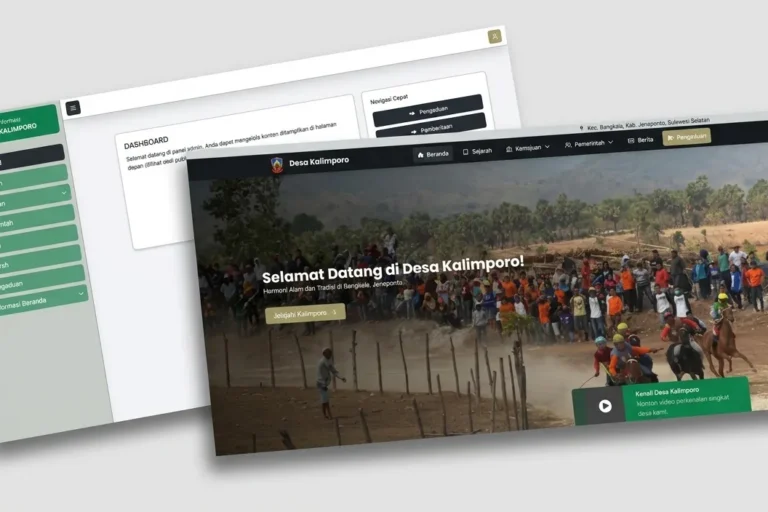
Local & Growing Businesses
Desa Kalimporo
Desa Kalimporo
A village profile platform presenting governance structure, population data, local potential and village programmes to a wider audience.
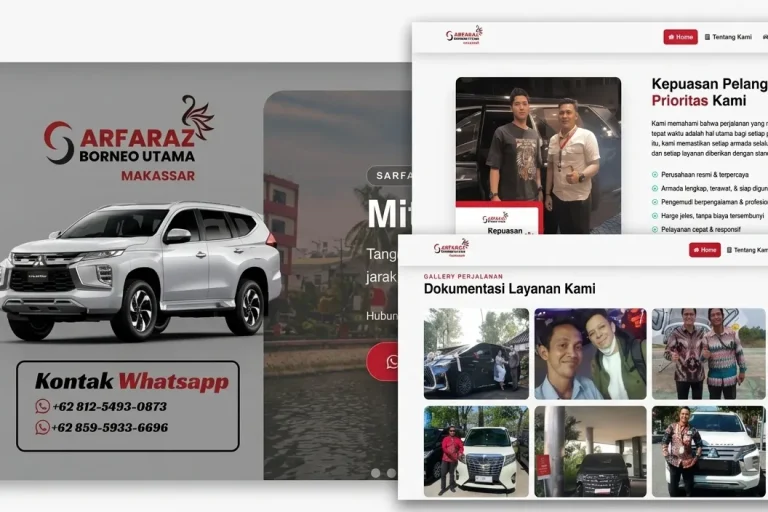
Tourism & Hospitality
Sarfaraz Rent Car Makassar
Sarfaraz Rental Mobil Makassar
A car rental company website presenting the fleet, rates and rental terms, with contact details customers can reach easily from any device.
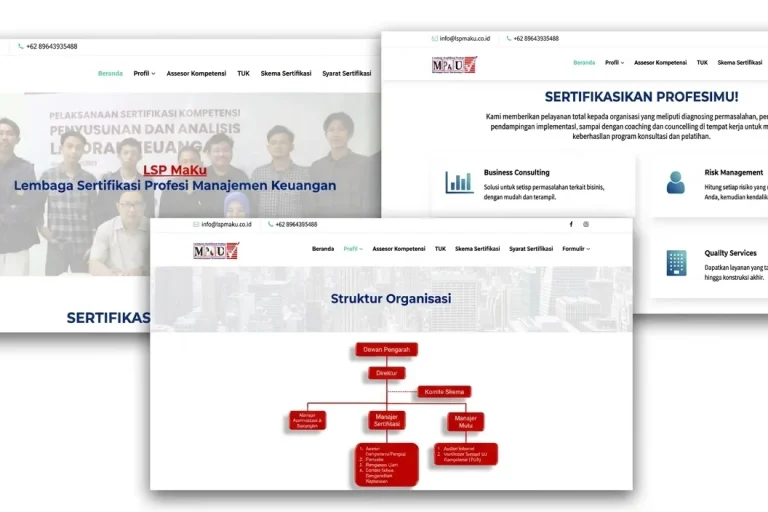
Professional Services
LSP MaKu
LSP MaKu
A professional certification body website covering certification schemes, schedules and participant guidance.
Keep reading
Related articles.
Digital Growth
Borrow or Buy? A Simple Test for Things You Rarely Use
A four-step test for deciding whether to borrow, rent or buy something you rarely use: count the uses, work out the cost per use,…
Digital Growth
What Is a Library of Things? How Borrowing Everyday Items Works
What a library of things is, what it lends, how borrowing works and the rules that keep a shared collection going, using pages from…
Digital Growth
How to Build Trust on a Freelance or Task Platform: Escrow, Reputation and Disputes
Escrow, reputation and dispute resolution for freelance and task platforms, using Tokopedia's published terms and Komodoplex Labs' Reputask research as examples, plus questions to…